The Partnership for Energy Efficiency in Buildings (PEEB) attended the Sustainable Buildings and Construction Summit (SBCS) 2026 with a delegation of practitioners, government officials, and country advisors from seven partner countries: Argentina, Costa Rica, Mexico, Morocco, Nigeria, North Macedonia, and Tunisia.
The summit brought together half a thousand participants from 64 countries at the SwissTech Convention Center in Lausanne, Switzerland, from 20 to 22 April for the most significant international buildings gathering of the year on the road to COP31 in Antalya. The summit was co-organised by the Global Alliance for Buildings and Construction (GlobalABC) and the Swiss Federal Technology Institute of Lausanne (EPFL).
Across the three days, the PEEB’s partner country delegations engaged in a deep peer-learning experience with each other and with partner organisations through a series of bilateral and trilateral meetings with AFD, GIZ, and BMUKN representatives. They attended and contributed to numerous plenary sessions and hands-on workshops.
The agenda reflected the breadth of PEEB’s work: investments, technical support and capacity building, NDC implementation, gender-responsive buildings, housing policy, and South-South cooperation.
PEEB Partner Countries Roundtable: Shared Challenges and Common Priorities
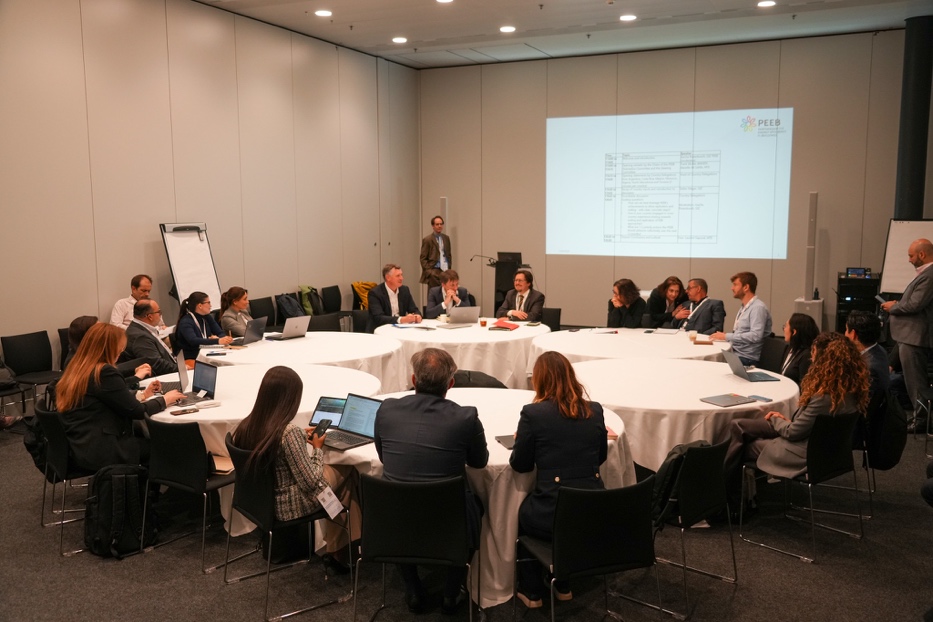
The seven country delegations contributed to the summit with concrete experiences. The summit offered them a rare opportunity to exchange with nations facing the same challenges in different contexts. On 21 April, PEEB convened a Partner Countries Roundtable bringing together government delegations from all seven partner countries alongside representatives from BMUKN, AFD, and GIZ.
In their opening remarks Frank Wolke, Head of Division for International Sectoral Climate Action at BMUKN, and Manelle Aït-Sahlia, Deputy Head of Energy at AFD and Chair of the PEEB Steering Committee, underlined how in the last ten years, since its creation, PEEB and its partner countries have built solid structures for cooperation that are delivering concrete impact.
From the country delegations, Cecilia Mijich (Argentina), Rebeca Madrigal (Costa Rica), Daniel Gonzalez Escobar (Mexico), Soraya Khalil (Morocco), Nana Maidugu (Nigeria), Dame Dimitrovski (North Macedonia), and Amira Derouiche (Tunisia) presented recent policy developments, investment progress, and the barriers that still need to be addressed.
They stressed the positive progress in the implementation of PEEB-related initiatives in their respective countries, demonstrating how investing in structured international exchange and cooperation can accelerate impactful implementation in the buildings sector.
Peer Learning at the Heart of PEEB’s Participation
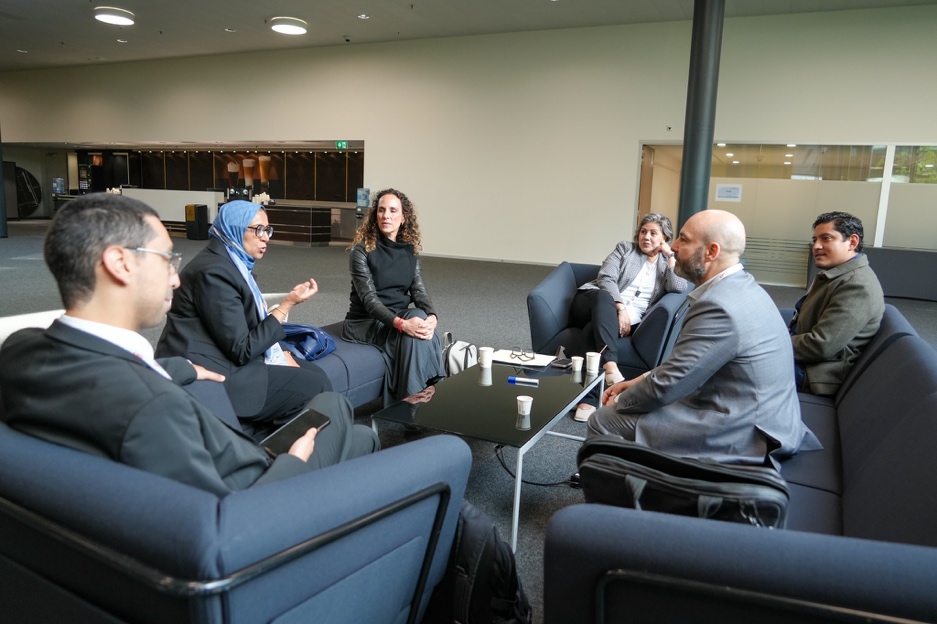
Peer learning was a central objective of PEEB’s partner countries’ participation in the summit. Country delegates contributed to plenary sessions, thematic workshops, and exchanged directly with experts and representatives from PEEB countries as well as from the entire world. Being exposed to this variety of perspectives helps PEEB partner countries get first-hand knowledge from other experiences in developing and implementing energy-efficiency policies for buildings.
One of the most tangible demonstrations of how participating in the summit enabled peer learning is the already-established exchange of experiences between Morocco and Mexico. Through PEEB, both countries are collaborating on tackling housing challenges. The summit allowed them to dive deeper into their experiences in making efficient housing accessible to self-builders, which make up a large share of respective housing production in both nations.
Moroccan delegates participated in the workshops about housing, in which Mexican delegates presented case studies and moderated discussions on construction support schemes and governance frameworks. Besides that, long conversations between both delegations helped delegates to understand how shared experiences can help to advance their self-construction agendas: a practical example of the power of South-South cooperation to tackle one of the world’s most pressing problems.
This was not, however, the only opportunity for mutual learning. PEEB delegations working on crucial topics for a transformation in buildings also got together. Argentina and Tunisia, both working to structure and finance investments in climate-resilient hospitals, participated in a workshop about extreme weather resilient construction; North Macedonia advanced lessons on how developing its national buildings inventory can shape investment; Nigerian delegates had the opportunity to learn about Costa Rica’s experience in incorporating buildings in their NDCs.
PEEB Co-led Workshops Drawing on Partner Country Experience
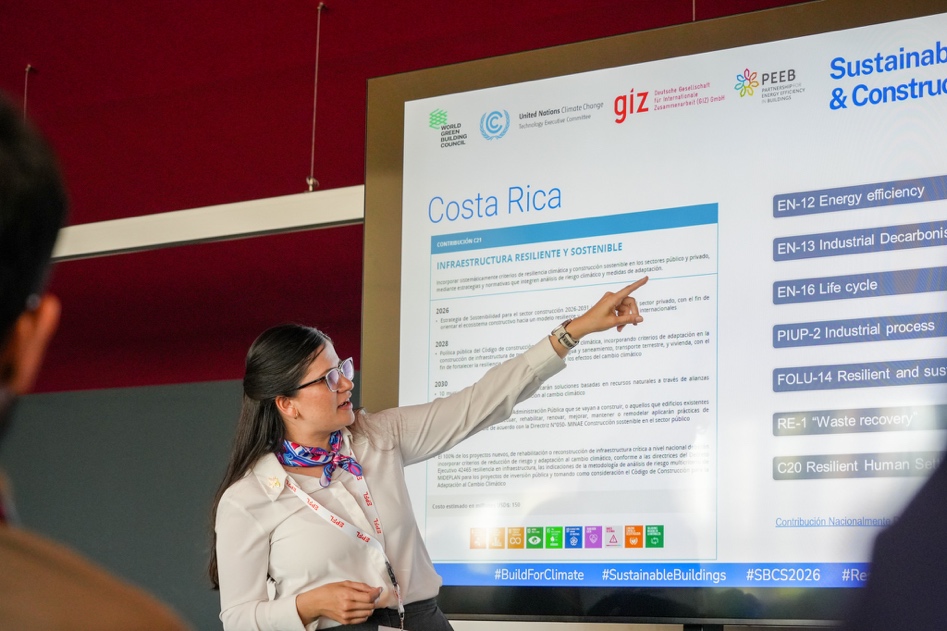
On Monday, the NDC-implementation dedicated workshop co-led with UNFCCC, World Green Building Council, EPFL, University College London, and Alexandria University tackled one of the sector’s most persistent gaps: the disconnect between climate commitments or NDCs and action in the buildings sector.
Costa Rica presented its model for integrating buildings into a national climate strategy, including quantitative targets for sustainable construction that make it an outlier among NDC signatories. While Morocco shared its work on regulatory frameworks and the sustained coalition-building required to align ministries across energy, housing, and finance.
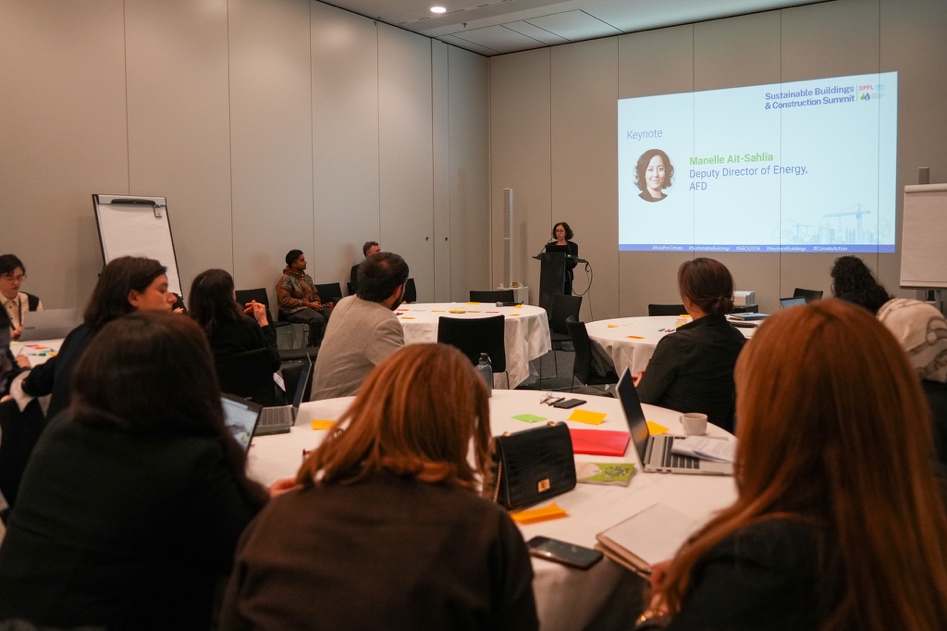
On Tuesday, a Gender and Buildings workshop, co-led by PEEB with GlobalABC and UNOPS, addressed gender-responsive design as a performance requirement across the building lifecycle. Keynotes from Manelle Aït-Sahlia (AFD) and Soraya Khalil (Morocco’s Ministry of Housing) grounded the discussion in practice. A full summary is available on the PEEB website here.
Three Days of Meetings to Advance Implementation
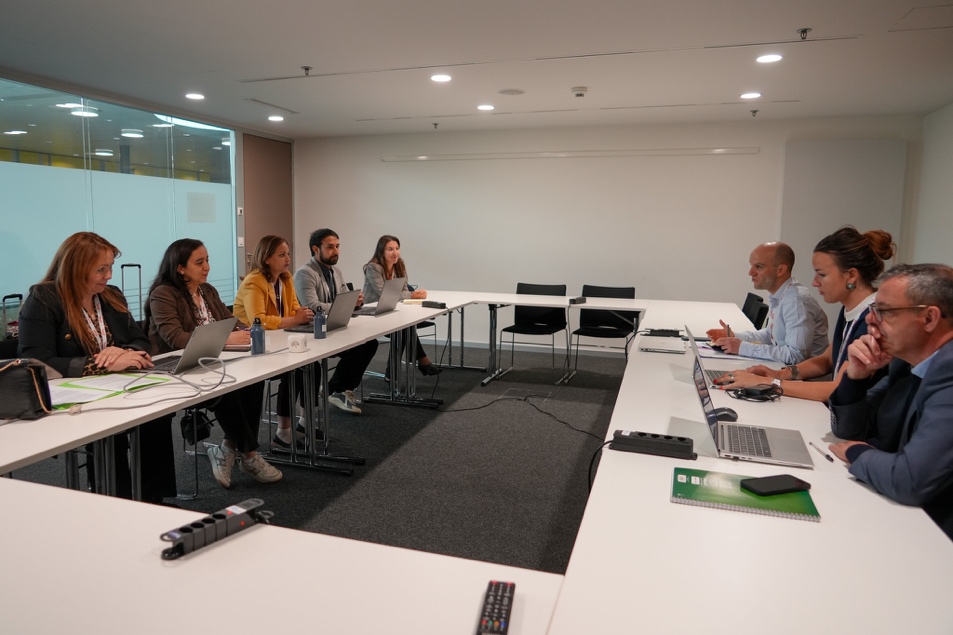
Lausanne provided a unique opportunity for numerous in-person bilateral and trilateral meetings that are essential to the delivery of the different PEEB’s programmes. Trilateral discussions with AFD and partner country representatives addressed investment identification, project scaling, credit line structuring, and the technical and governance conditions for effective loan execution, a work directly shaping PEEB’s investment pipeline, making an impact on the ground.
Learn more about PEEB’s programmes and the work with the partner countries on our website, and contact us for more details.
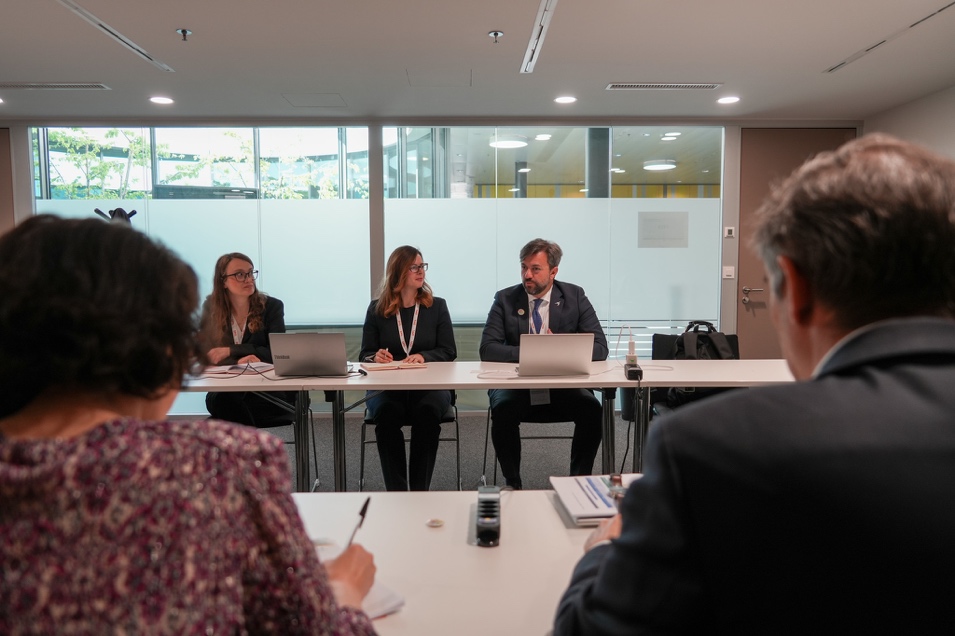
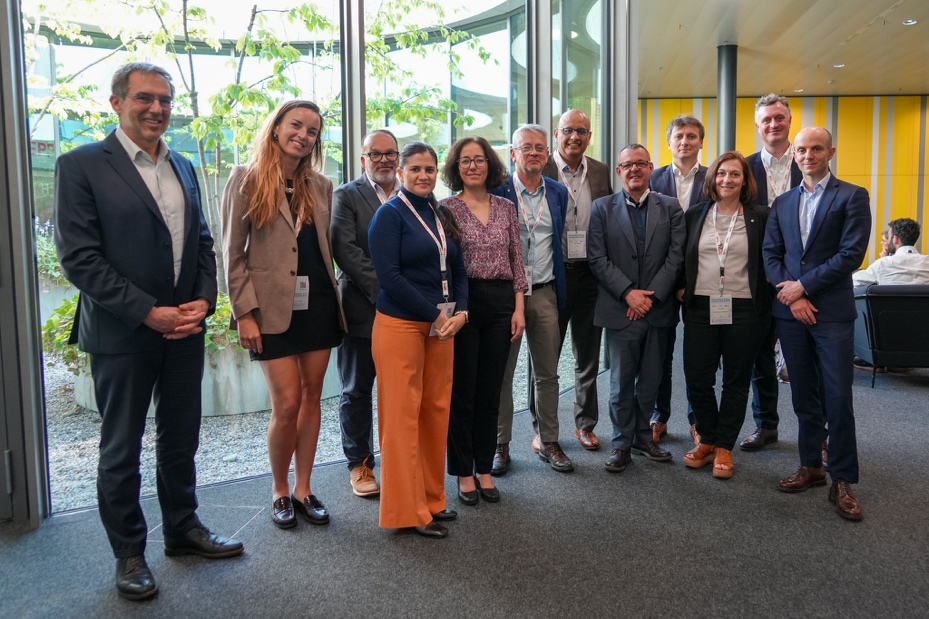
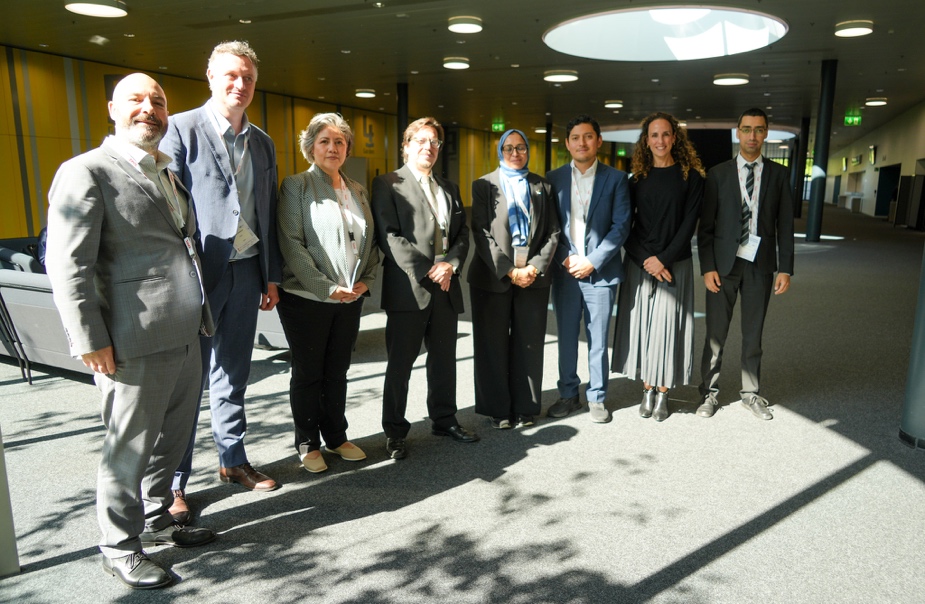
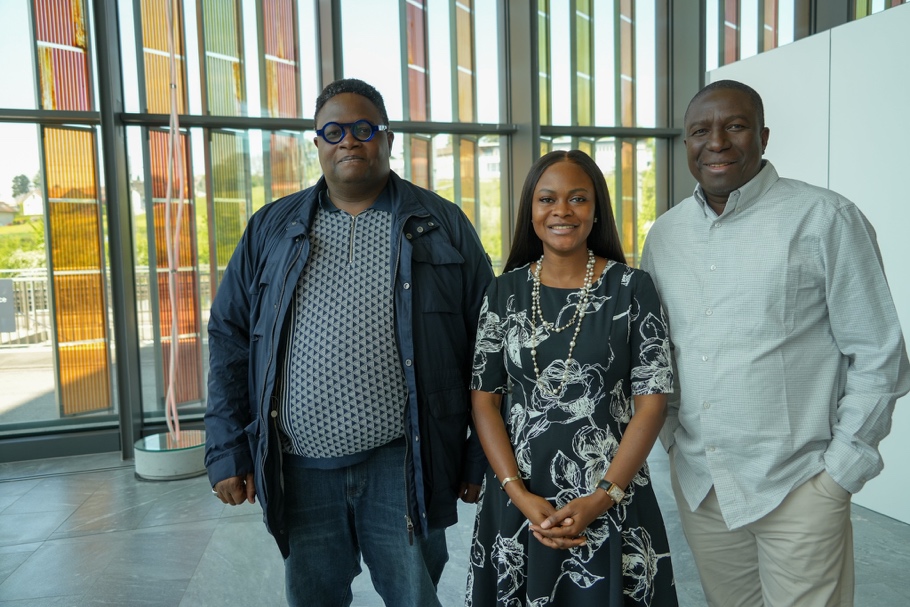
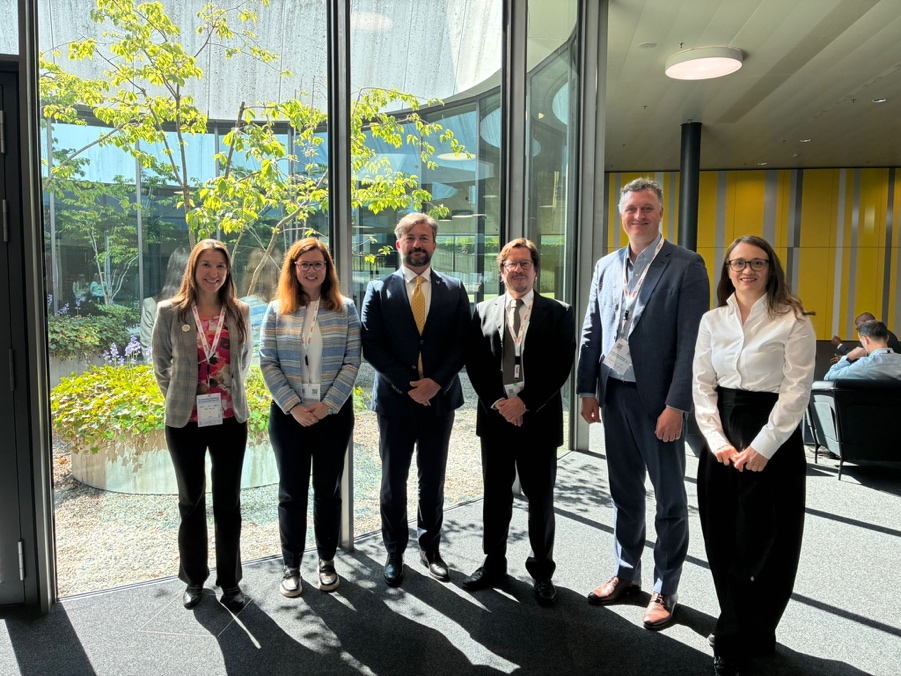
A Snapshot into PEEB Partner Countries Delegations
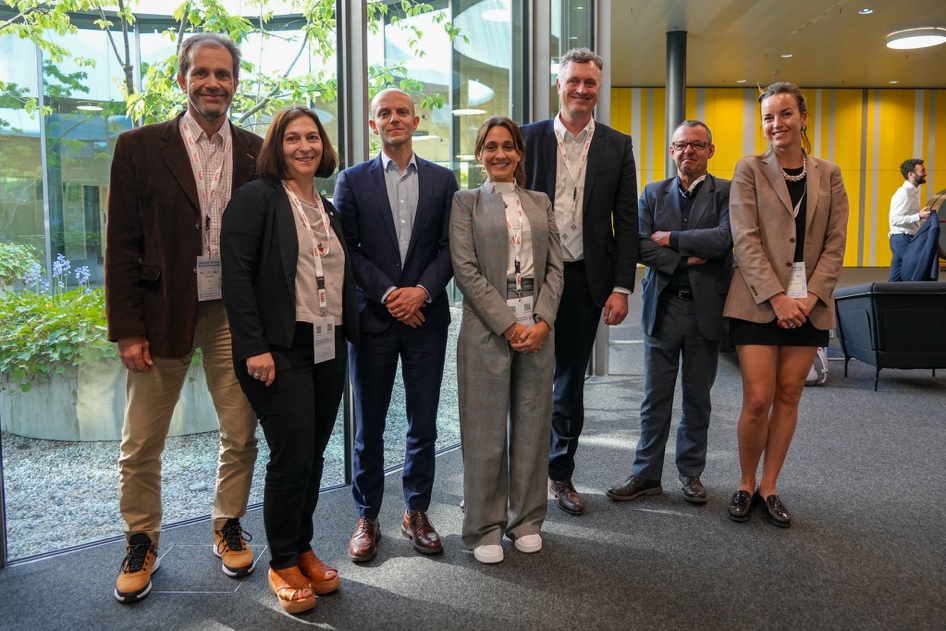
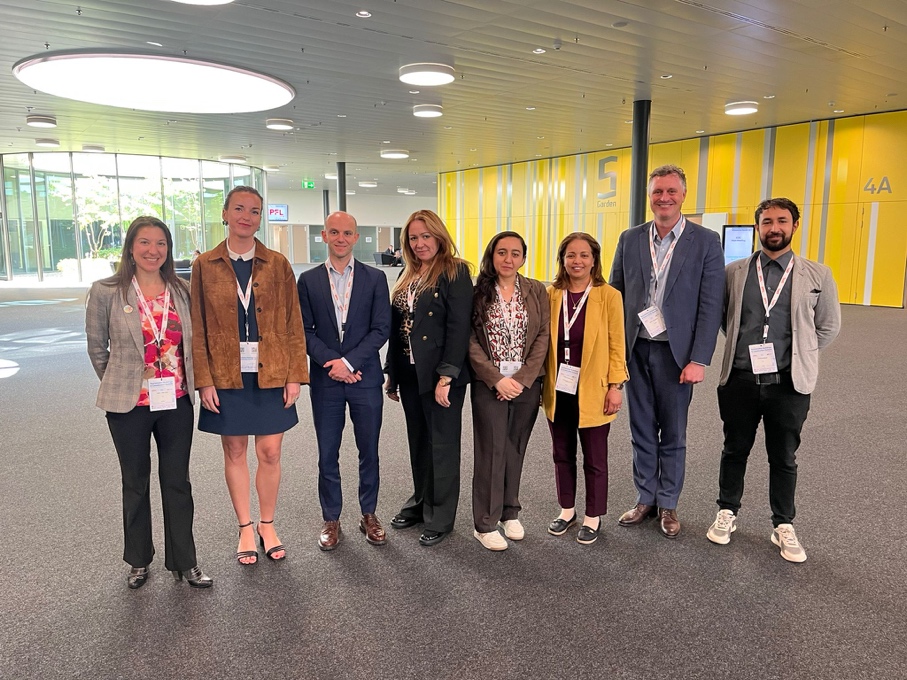
All photos by: Mariana Castaño Cano / 10 Billion Solutions for PEEB.