The Partnership for Energy Efficiency in Buildings (PEEB) Cool, implemented by GIZ in cooperation with the Albanian Ministry of Infrastructure and Energy and Agence Française de Développement (AFD), is supporting the development of the legal framework for Albania’s future Energy Efficiency Building Code (EEBC) as a cornerstone of its energy and climate policy. On 12 February 2026, a first stakeholder consultation workshop in Tirana brought together key public and technical actors to discuss the draft legal framework that will underpin the future EEBC.
Background
Albania has committed to 2030 energy efficiency targets and related measures as outlined in its draft National Energy and Climate Plan (NECP), revised in November 2024. To date, energy efficiency efforts in buildings have focused mainly on thermal insulation, often overlooking a more holistic approach that starts at the design phase and covers all building systems. A recently approved building renovation strategy now stresses the need to integrate both architectural design and technical building systems to achieve lasting performance gains.
The EEBC is a critical missing element in Albania’s regulatory framework for energy-efficient construction. Existing legislation covers parts of the puzzle, such as insulation requirements and technical specifications for building systems, but not a unified standard that guides the entire design and construction process.
By establishing clear guidelines for architects and engineers, including structural, mechanical, fire safety and environmental specialists, the EEBC will promote a consistent approach to energy-efficient building practices and introduce a monitoring mechanism to verify compliance. This will enable systematic improvements in energy performance from the preliminary design stage onward and support Albania’s transition to a more sustainable, climate-resilient building stock.
Leveraging potential through stakeholder consultation workshop
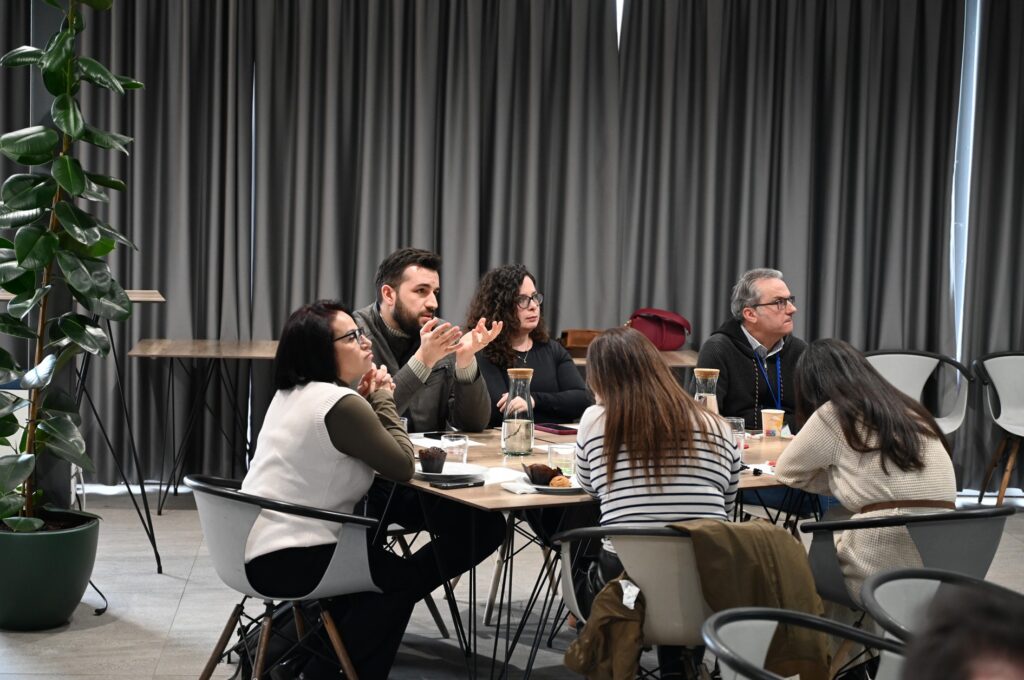
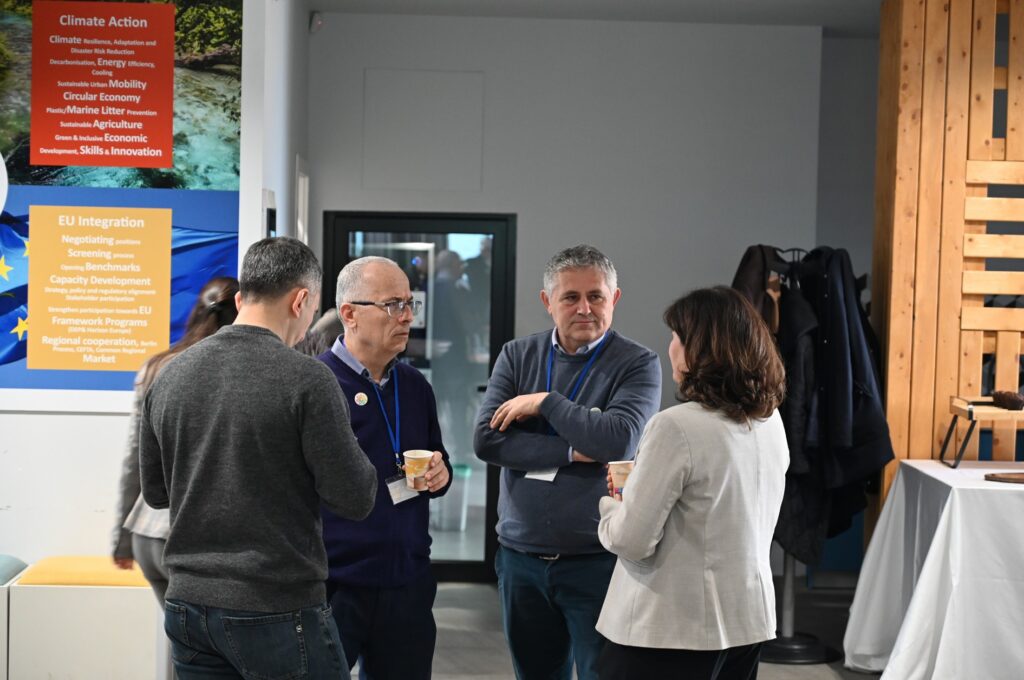
The stakeholder consultation workshop on the EEBC legal framework took place at the GIZ rooftop venue in Tirana on 12 February 2026. The event was organised by the Ministry of Infrastructure and Energy and GIZ, under the PEEB Cool programme, as part of ongoing work launched in 2025 to prepare the legal basis for the future code.
Following welcome remarks from the Ministry of Infrastructure and Energy, PEEB and PEEB Cool Albania were presented by representatives from GIZ and AFD, highlighting how investment support, policy advice and capacity building are being combined to promote resilient and energy-efficient public buildings in Albania. The core of the workshop focused on the development of the EEBC legal framework, led by the key expert team. Presentations covered the project overview and structure, as well as an assessment of the current legal framework on the energy performance of buildings, including key findings and identified gaps.
In the second part of the morning, the experts introduced the proposed structure and outline of the EEBC legal framework, organised around four main building blocks: building envelope, HVAC systems, water heating, and lighting and electrical systems. The afternoon sessions then allowed for in‑depth discussion of each building block in breakout groups facilitated by national experts.
Ambition and Applicability at the top of Stakeholders’ Agenda
Discussions confirmed that a unified EEBC can help align Albania’s construction sector with EU climate and energy objectives while providing a clear framework for compliance for designers, engineers and regulators. Participants underlined that bringing all relevant requirements together in one legal framework will make it easier to design, construct and renovate buildings that meet modern energy performance standards. Stakeholders also highlighted the importance of clarity on roles and responsibilities for implementation, including how the future code will be enforced and how compliance will be monitored.
The introduction of a monitoring mechanism was welcomed as an important step that has so far been missing from the national system. Participants noted that early integration of energy efficiency in the design phase, particularly for the building envelope, HVAC and hot water systems, and lighting, is essential to achieve cost‑effective savings and improve comfort in public buildings.
The workshop served as an opportunity to gather feedback from ministries, agencies and technical experts on the proposed structure and content of the EEBC legal framework. Inputs from the group discussions on each building block will inform the refinement of the draft and help ensure that the future code is both ambitious and practicable for the Albanian context.
Way Forward: Building the Legal Foundation for Efficient Buildings
The development of the EEBC legal framework marks a significant step in Albania’s path toward more sustainable and energy‑efficient buildings. The consultation confirmed strong interest from national stakeholders in shaping the code and using it as a tool to drive higher performance in new construction and renovations.
Next steps include revising the draft legal framework based on stakeholder feedback, further technical work on the detailed provisions for each building block, and continued dialogue with key institutions to prepare for adoption and implementation. In partnership with the Ministry of Infrastructure and Energy and AFD, PEEB Cool will continue to support this process through policy advice, capacity building and the promotion of investment projects that apply the new standards in practice.