When people think about making buildings efficient, they often think about measures that cost money: renovating building envelopes, changing windows, or buying efficient but more expensive equipment. However, efficiency does not need to start with money: it can start with people adopting to more efficient practices in the management of existing buildings.
A single building can consume a lot less energy if someone can identify energy waste, design measures to avoid or reduce it, and verify their impact. Governments can incorporate energy management as a principle in policies and planning to scale this impact–from individual buildings to the entire sector.
Empowering Sri Lankan decision-makers and building practitioners to harness energy management and make buildings more efficient: this is what the PEEB’s practical and solutions-oriented training on Energy Management Systems (EnMS) aimed to achieve.
Training for Real-world Change
Effective training in Energy Management Systems must depart from one essential truth: understanding the standard is only the starting point. The real value of energy management standards comes from being able to apply the principles to real energy-use patterns, organizational responsibilities and day-to-day building operations.
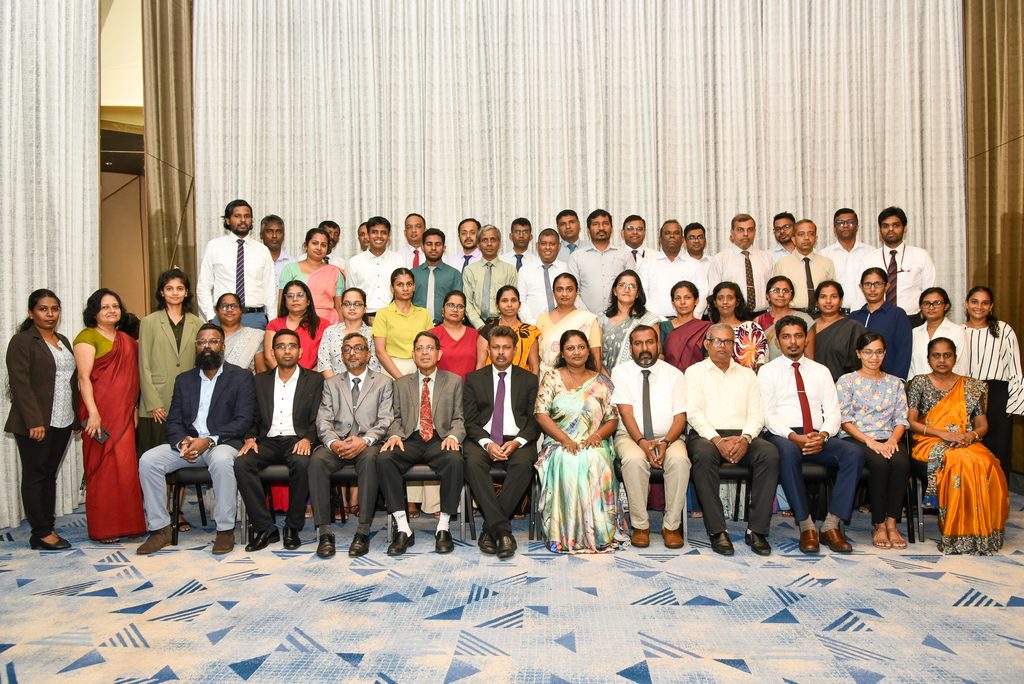
In Sri Lanka, PEEB brought together 43 high-level government officials from ministries, public institutions and governance bodies, alongside 30 practitioners from various institutions involved in building operations. Together, the two groups explored how energy management can be integrated into policy and planning while being applied in the day-to-day management of buildings, and participants can now apply internationally recognized ISO standard to buildings within their context.
PEEB’s EnMs training is practical and building-oriented, enabling participants to come out of the training sessions with concrete ideas that can be immediately applied. A deep understanding of general principles of building energy management is combined with global best-practice examples, exercises and tools allowing participants to consider how to apply lessons to their everyday realities–whether they are policymakers or building operations managers.
“I was able to gain a lot of knowledge from this training, which I can apply when doing electrical designs and selecting electrical appliances and equipment. I also plan to establish and initiate an Energy Management Audit Team in the Sri Lanka Army.”
Sudharika Sirisena,Electrical Engineer, Sri Lankan Army
From One-off Measures to Structured Energy Management Systems
Decisions made by governments, whether in policy or planning, influence how energy is managed across organizations and buildings. Policies, regulations, institutional arrangements, and investment priorities can promote better energy management from the start, putting the conditions in place to make efficient practices a standard. Decision-makers’ understanding of energy management principles as well as entry points to apply it is a key enabling factor.
This is why the Policy Module of the training brought together high-level government officials from various institutions across Sri Lanka. Participants explored how integrating key elements of EnMS into policy and planning can strengthen energy management across buildings and organizations. The training also highlighted practical tools for incorporating EnMS into road-maps, pilot projects and other planning initiatives, supporting environmental and socioeconomic goals while clarifying the roles and responsibilities needed for effective implementation.
Real life examples illustrated how EnMS translates into strategic decisions and practical tools, enabling participants to understand international best-practice cases, taking lessons, and apply them to their own contexts.
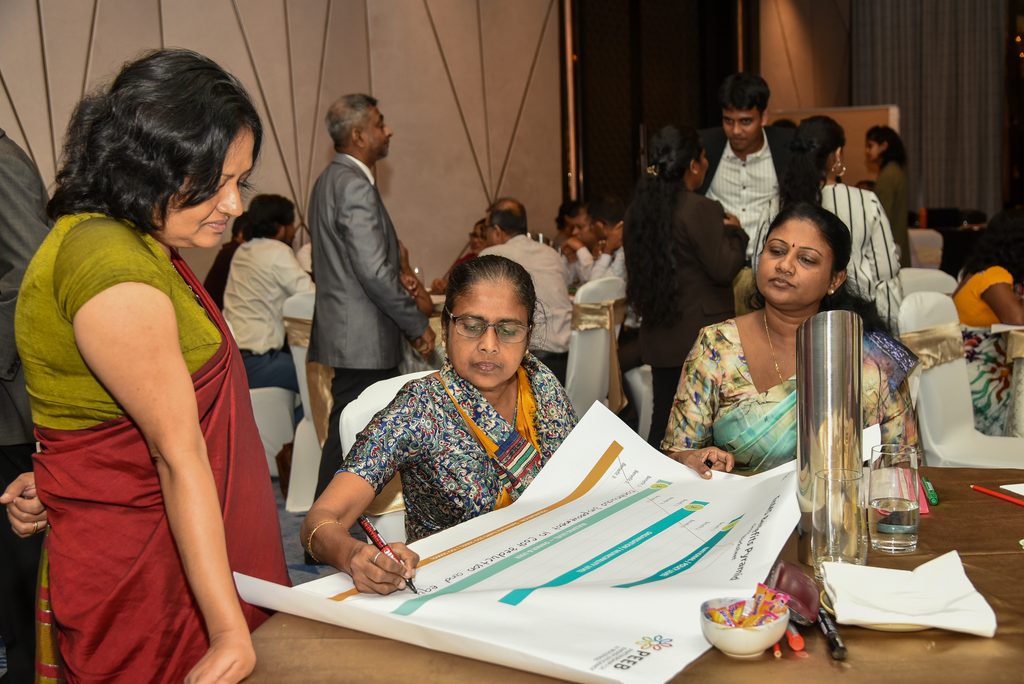
Translating Systems into Everyday Practices
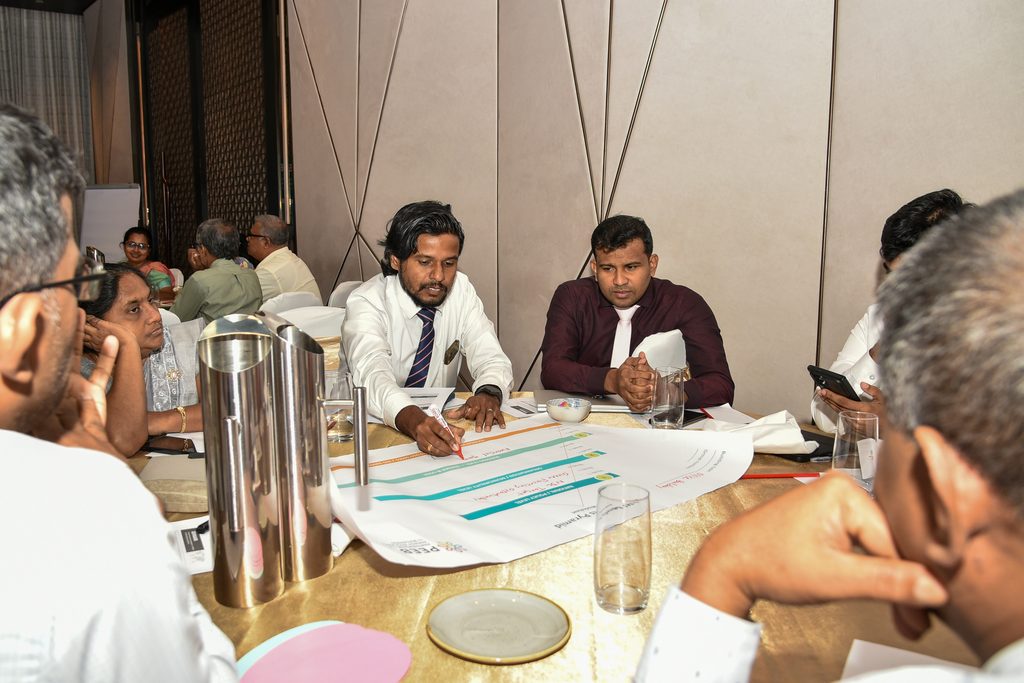
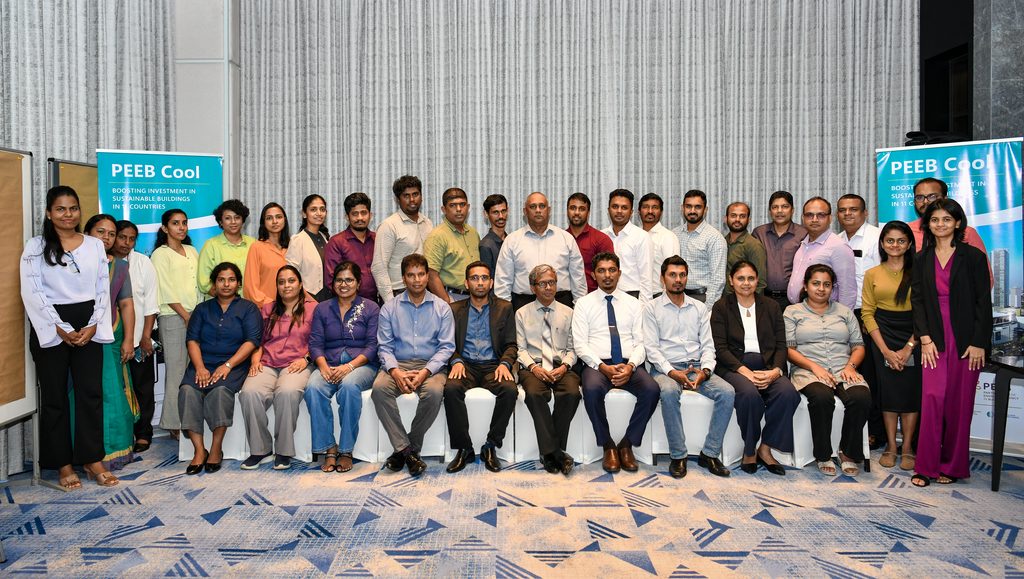
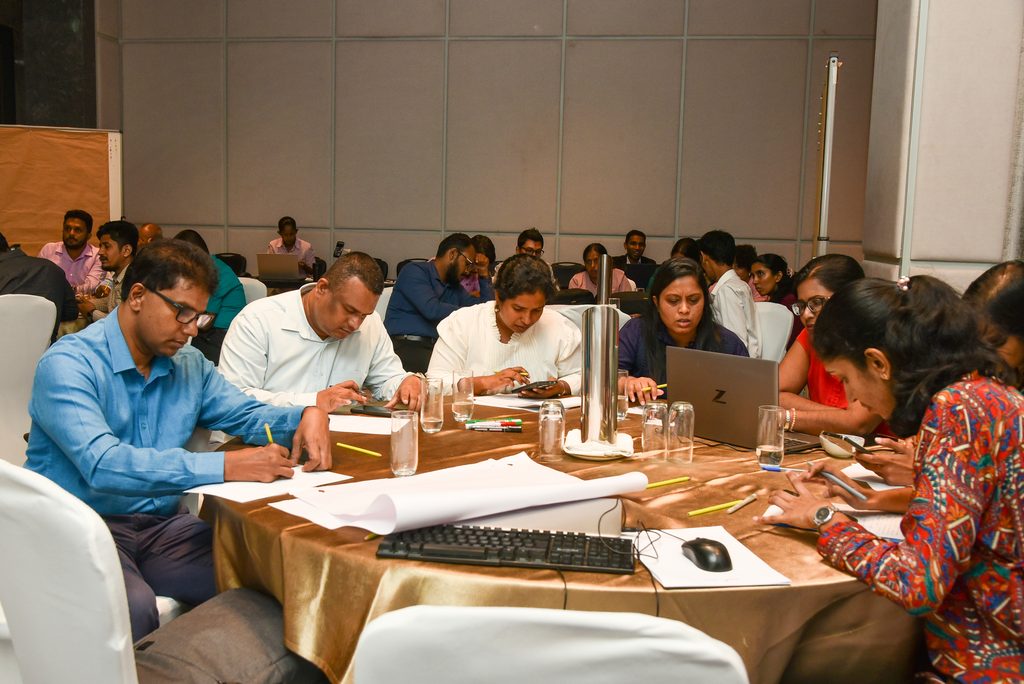
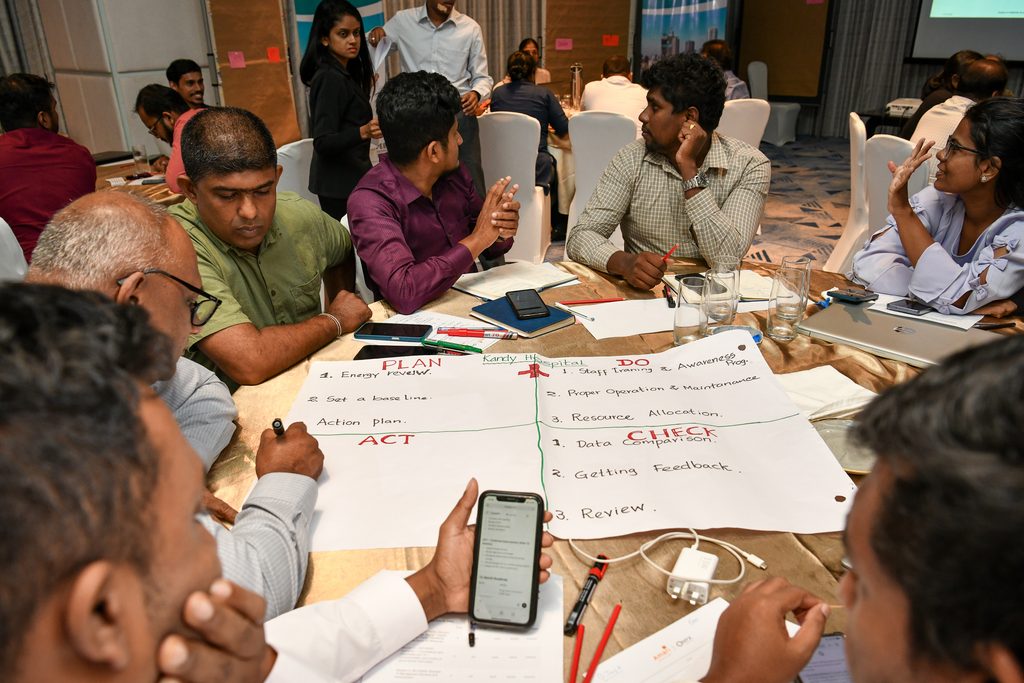
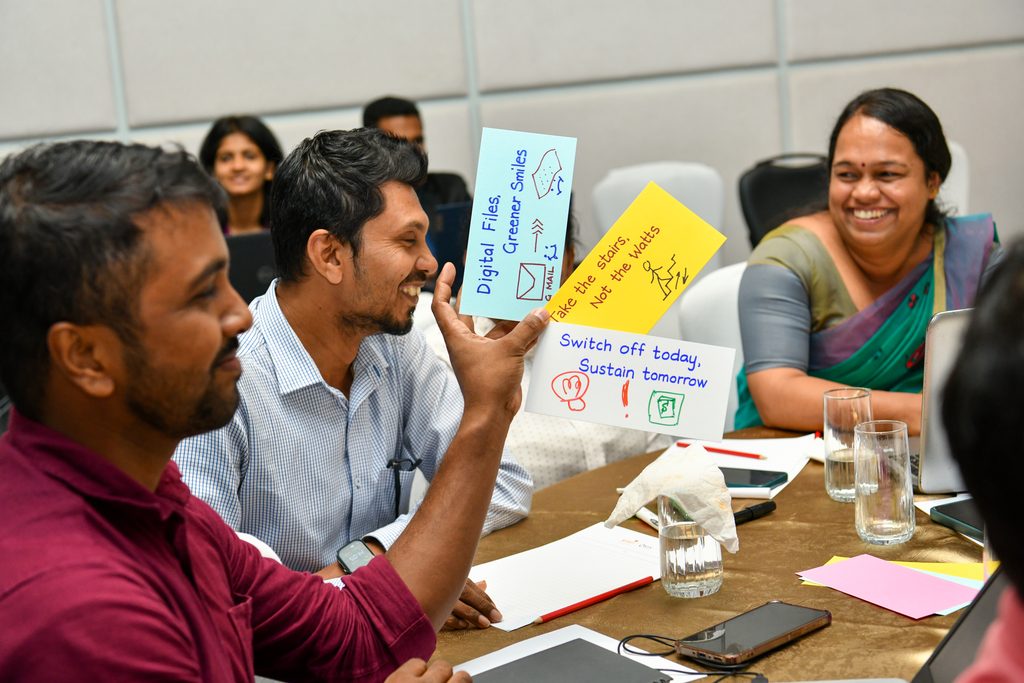
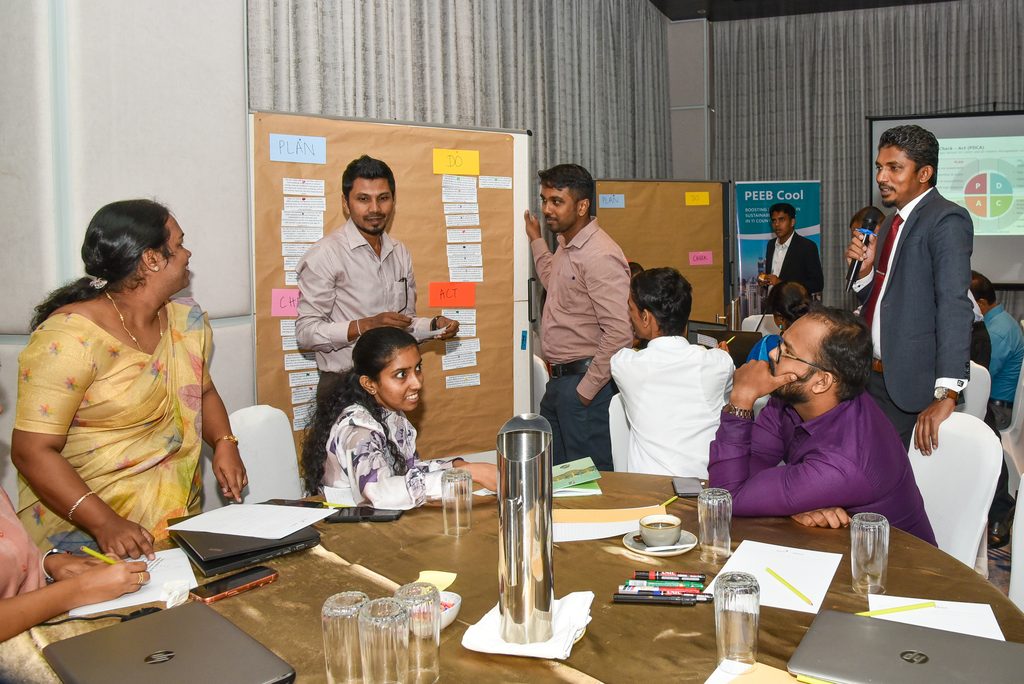
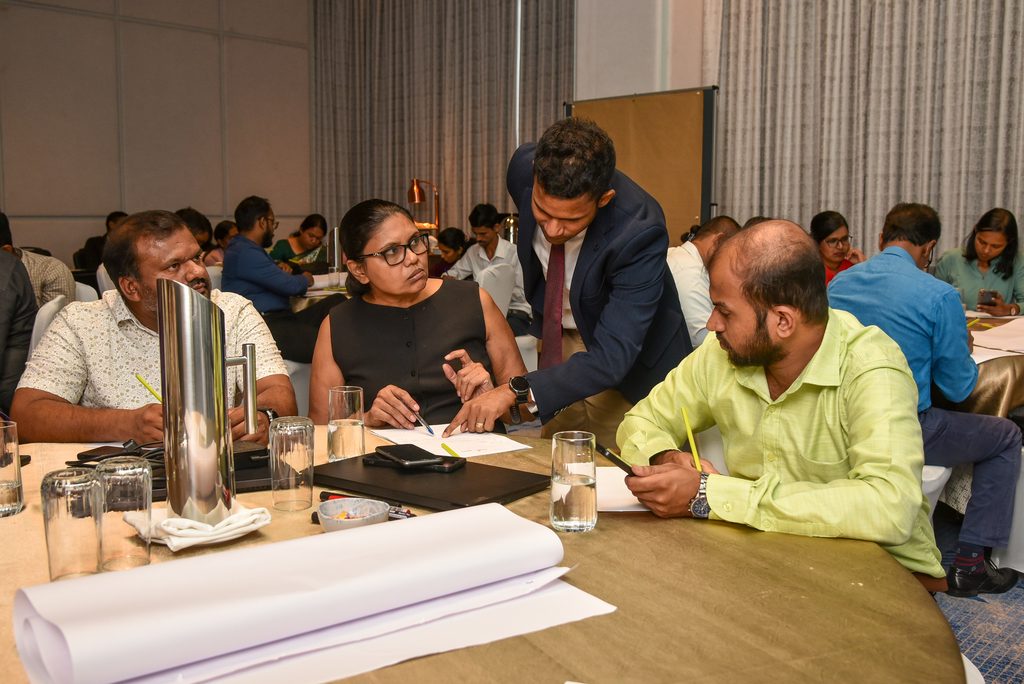
Policy and institutional frameworks create the conditions for energy efficiency, but lasting improvements depend on the adoption of everyday practices. Following the Policy Training, from 15–17 July, building operations practitioners from various institutions–including the health sector, provincial councils, banking among many–took part in a three-day Practitioner Training Programme on EnMS for Buildings.
Participants worked with ISO 50001 and ISO 50005 to learn how to review energy use, establish energy baselines and performance indicators, identify where energy is being used inefficiently, and set objectives and action plans. These steps help organizations move from simply identifying energy-saving opportunities to making informed decisions about where improvements are needed, measuring whether they are working, and maintaining progress over time.
“What I like most about this workshop is the quality of the training, the lecture materials and how knowledgeable and approachable the lecturers were. They explained energy efficiency techniques in a very clear and practical manner, including how to incorporate energy efficiency into designs and improve energy efficiency in existing buildings.”
Sujeewah Aravinth – Electrical Engineer, Department of buildings Northern Province
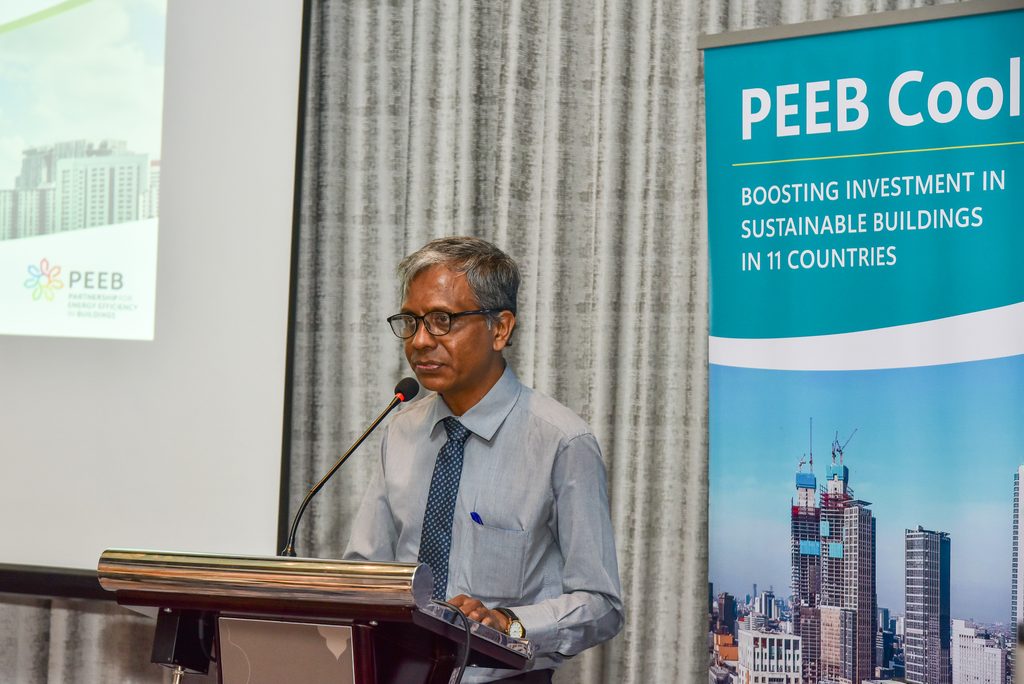
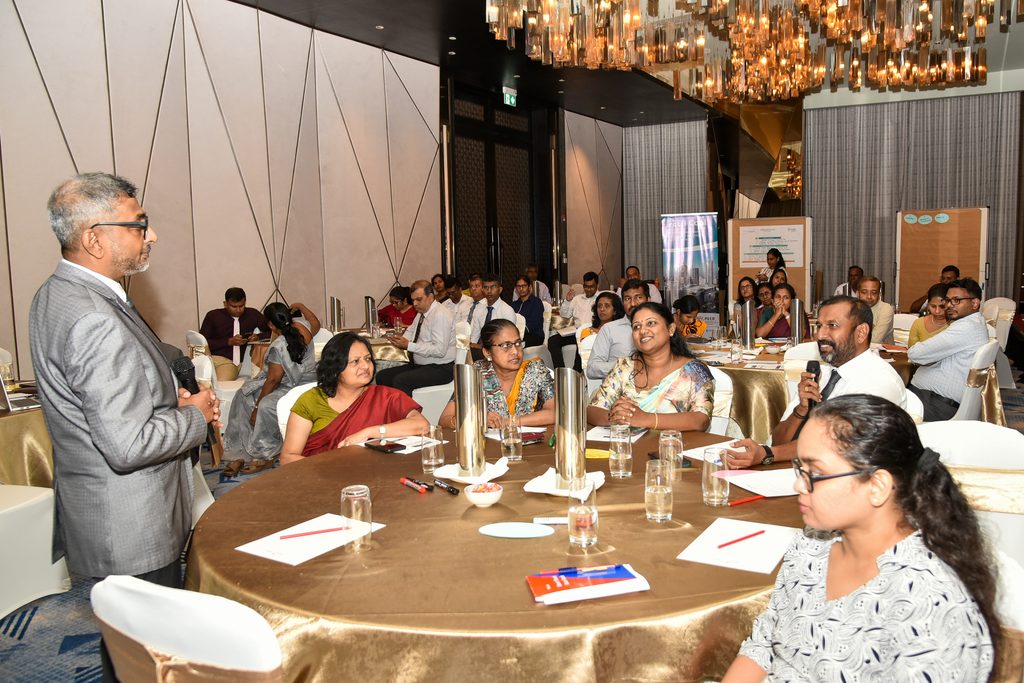
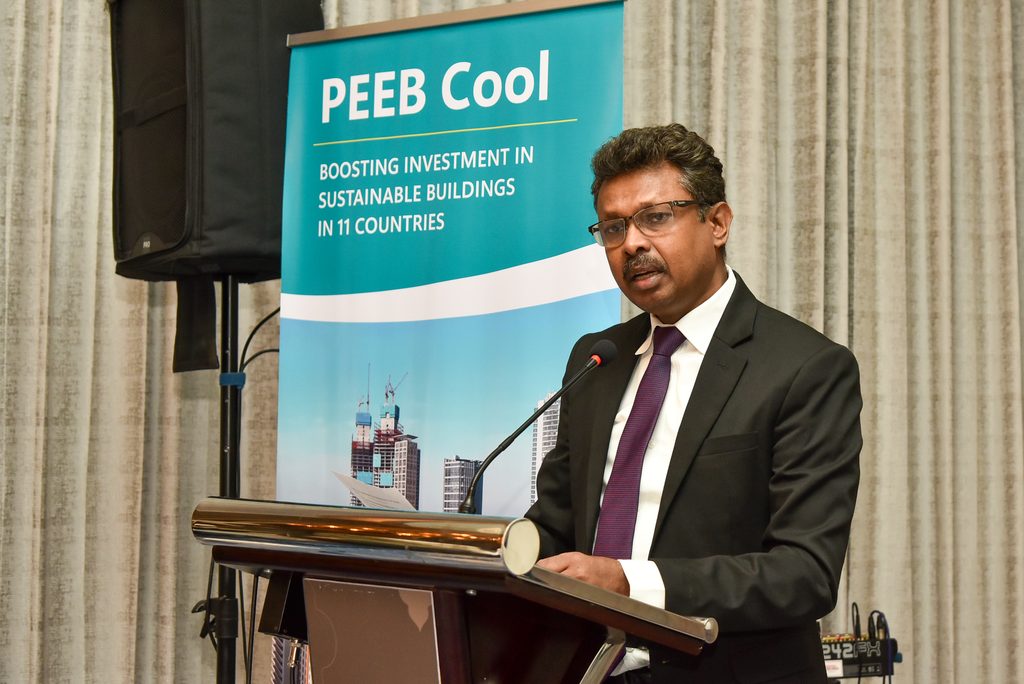
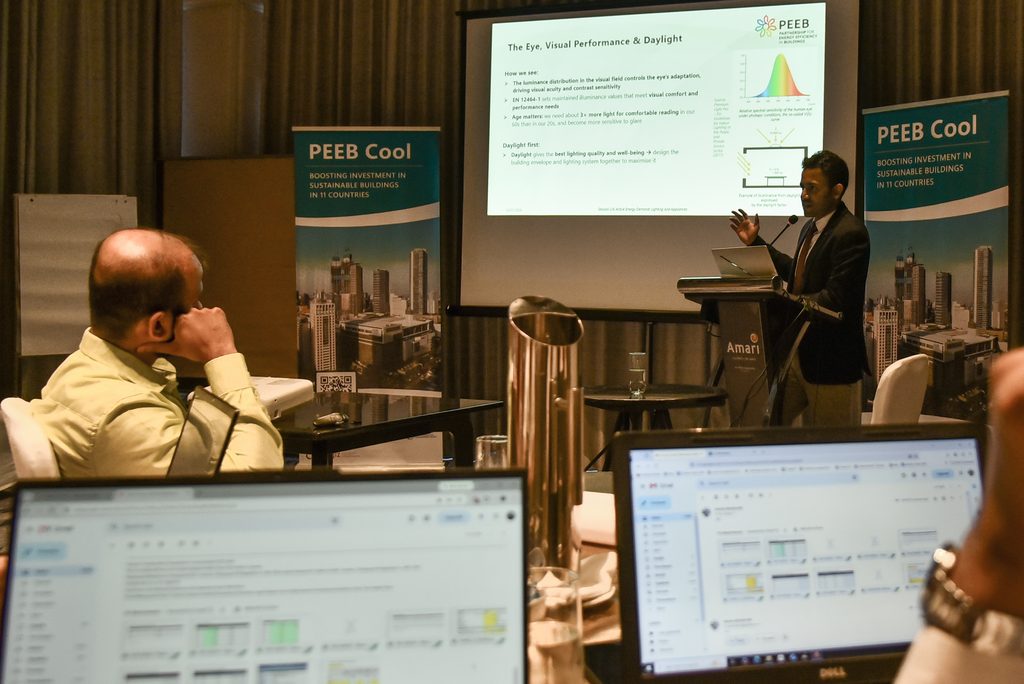
Eng. Chamila Jayasekara of SLSEA delivering the opening address on systematic energy management at the three-day practitioner programme.

Increasing well-being and productivity while protecting the climate
Better energy management is an entry point for planning further efficiency enhancements over the long term. Many energy-saving practices simply require better operational practices rather than costly investments. At the same time, energy management helps identify and plan for costlier, longer-term efficiency measures with higher payoffs in terms of savings as well as environmental, economic, and social benefits.
The real value of energy efficiency savings lies in what they make possible: savings can be reinvested in better public services, better commercial equipment, or a scale-up in industrial production. Cheaper energy is a game-changer for businesses in countries like Sri Lanka, where the commercial and industrial sectors account for 60% of electricity demand. This significant impact potential makes energy efficiency a crucial component of Sri Lanka’s NDC 3.0, which identifies energy-efficient equipment, technologies, and system improvements as means of achieving a reduction of 30,000 GWh in electricity demand over 2026–2035.
Enabling policies, regulations, and skilled practitioners play a key role in disseminating efficient solutions, fostering innovation in local markets, particularly through collaboration with global leaders in energy efficiency, and empowering local businesses to enhance their competitiveness by complying with global sustainability standards. Better energy management also lays the groundwork for planning further efficiency improvements over the long term.
Gallery