The first Africa Energy Efficiency Conference marked the recognition of energy efficiency as a first fuel for the energy transition in Africa, with the adoption of ambitious goals and the launch of the Africa Energy Efficiency Alliance. PEEB was present in Nairobi, from 8 to 12 December 2025, reiterating its commitment to work with partners in the region to transform ambition into action.
PEEB’s past and present cooperation with different African countries, which put buildings at the heart of the energy efficiency agenda, was presented in a full programme of pre-conference trainings, high-level sessions, and a panel discussion. By providing targeted financing and working on strategic policy levers such as building codes, enforcement, and innovative finance mechanisms such as Art. 6, PEEB is transforming the buildings sector in Africa!
Pre-conference training session: understanding finance and harnessing the potential of bioclimatic architecture
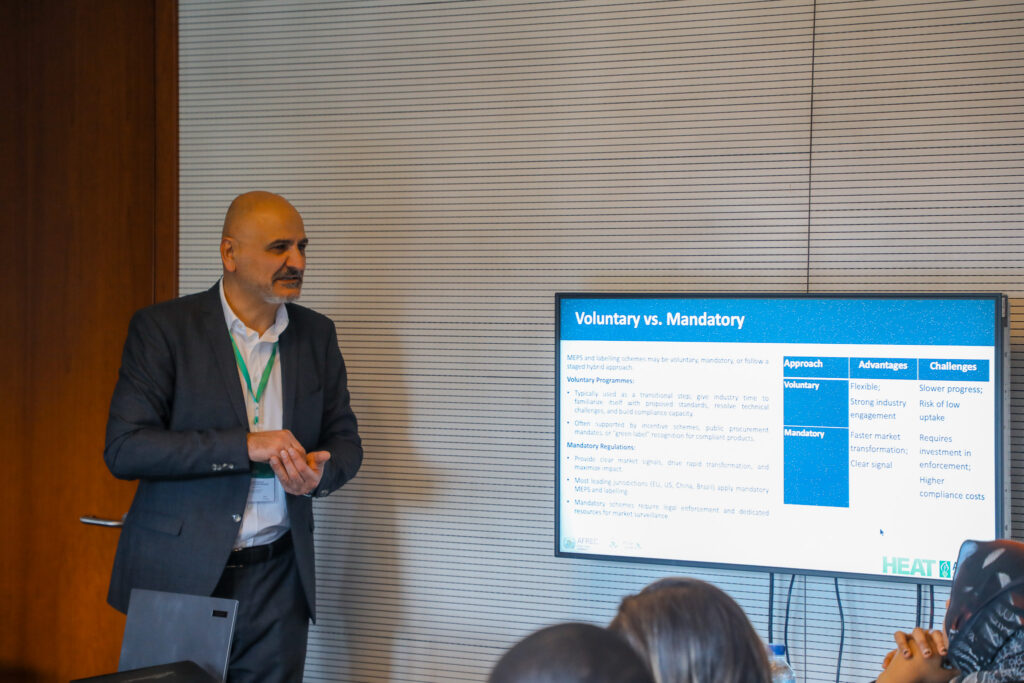
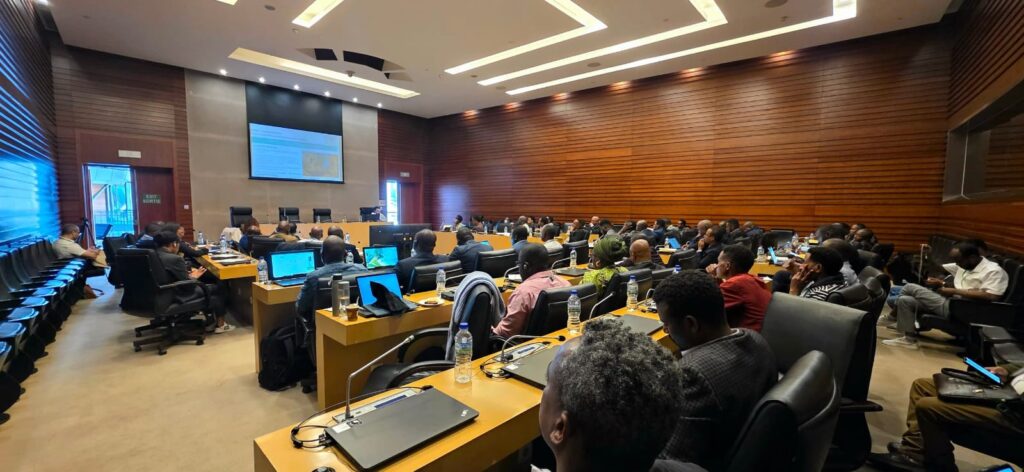
During the pre-conference programme on December 8 and 9, PEEB and partners Global Alliance for Buildings and Construction (GlobalABC) and the International Energy Agency (IEA) promoted a two-day training on Bioclimatic Architecture and Finance for Energy Efficiency in Buildings. In the sessions, more than 60 high-level practitioners delved into the benefits of buildings that are designed for the local climate–and explored how to finance them. Intensive participation and lively discussions showed: people understand that buildings matter, and want to take action.
Bioclimatic design principles result in buildings that take better advantage of local climate conditions to maintain better indoor thermal comfort, lighting, and air quality. Such buildings can remain up to 10 degrees Celsius cooler than outside temperatures without the need for any additional cooling measures. Over time, this translates to lower energy demand and bills–two crucial steps towards a just energy transition, in a continent where buildings already consume 61% of all energy and where 80% of the buildings existing in 2050 are yet to be built.
High-level participation: AFD and GIZ reaffirm the Franco-German commitment to promoting prosperity through efficient buildings

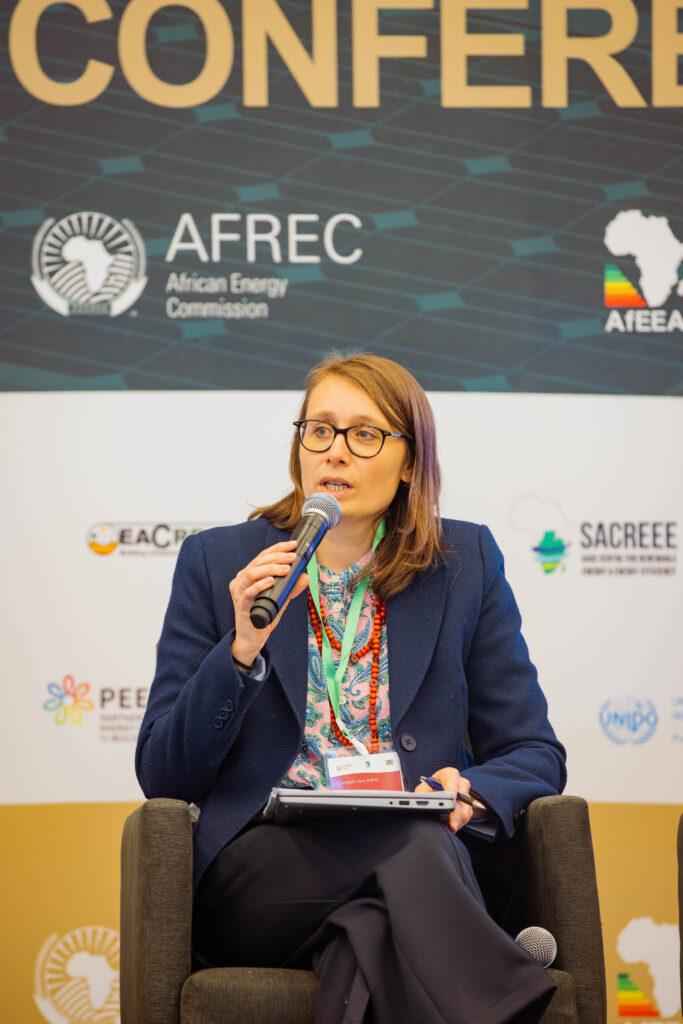
The need to develop comfortable and affordable buildings for a young, growing, and dynamic African population leaves no room for doubts: the time to act is now. Annelie Janz-Huber, Sector Coordinator – Just Transition at GIZ African Union, emphasized France and Germany’s commitment to immediate action during her speech at the High-Level Opening Session of the Conference Programme, on December 10. This commitment was echoed by Louis-Antoine Souchet, AFD Director in Ethiopia, as well as repeated during the Ministerial Roundtable on Advancing Energy Efficiency by Anne Chapalain, AFD Deputy Director.
In the opening session, Janz-Huber highlighted how this commitment translates into concrete impacts through examples from PEEB’s work with two partners in Africa, Djibouti and Tunisia. The examples show how buildings transform human well-being, thanks to improvements in service provision in key sectors such as education and health.
In both countries, the strategic combination of project finance by the French development Agency AFD and a policy and capacity development package by the GIZ are creating the conditions to make energy efficient, resilient buildings the new normal.
In Tunisia, two regional hospitals will be made operational, maintain a stable comfort considering future climate conditions and have an improved energy and environmental performance. A joint AFD-GIZ work has led to the provision of guidelines for sustainable hospitals to the Tunisian Ministry of Health. In Djibouti, the construction of an AFD-funded public high school, hosting 1,500 students, will act a catalyst for systemic change in the country’s building sector: the school will be designed with joint AFD and GIZ technical guidance on local materials and passive cooling strategies, fully in accordance with the country’s updates to its Building Energy Efficiency Code.
Africa-led solutions making energy efficient buildings the new normal: insights from the panel session
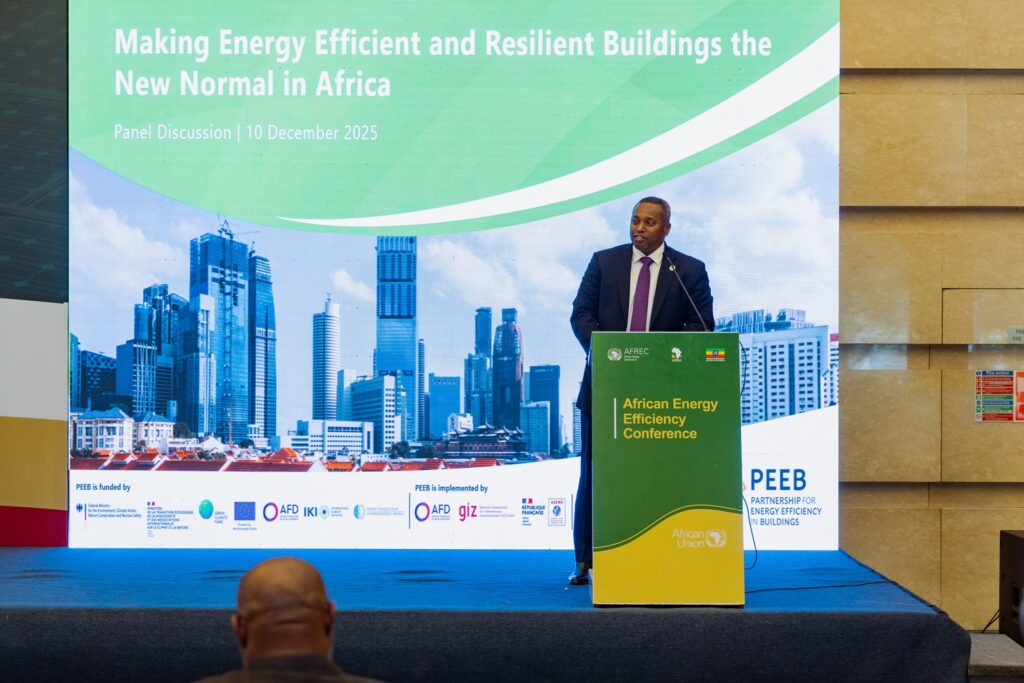
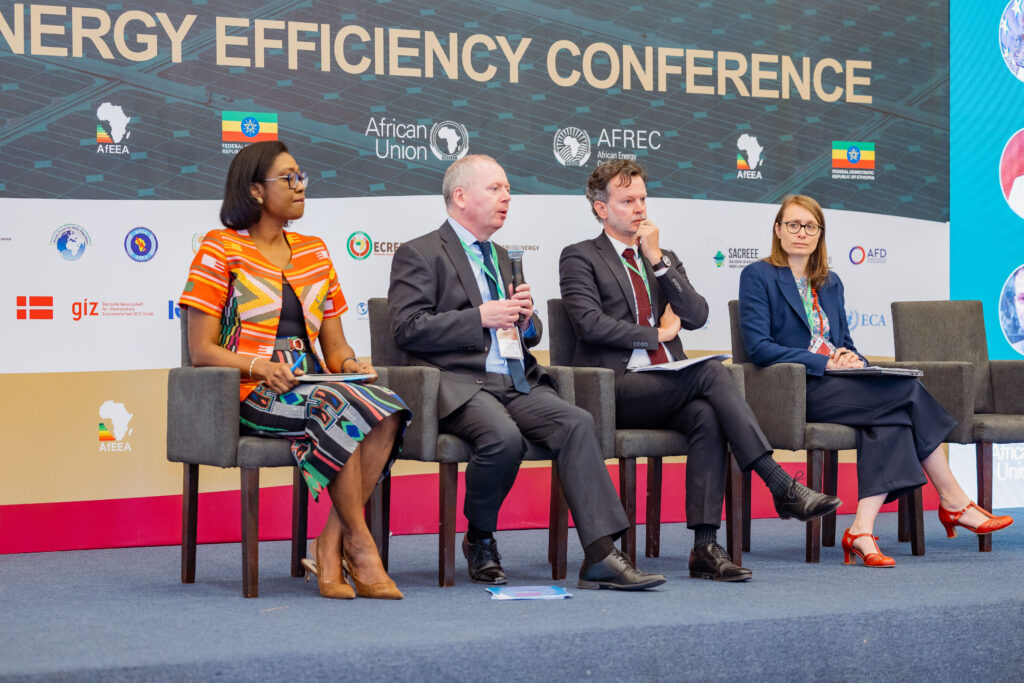
On December 10, PEEB partnered with Sustainable Energy for All and GlobalABC to facilitate an exchange on the solutions driving building energy efficiency in Africa–and how to scale them. Yonis Ali Guedi, Minister of Energy of Djibouti, opened the session with a keynote highlighting how the Djibouti school project will create systematic impact: the school project will pilot building material approaches that will inform the revision of the country’s Building Code. The school’s curriculum will integrate components about bioclimatic architecture, multiplying the hands-on knowledge developed withing the project.
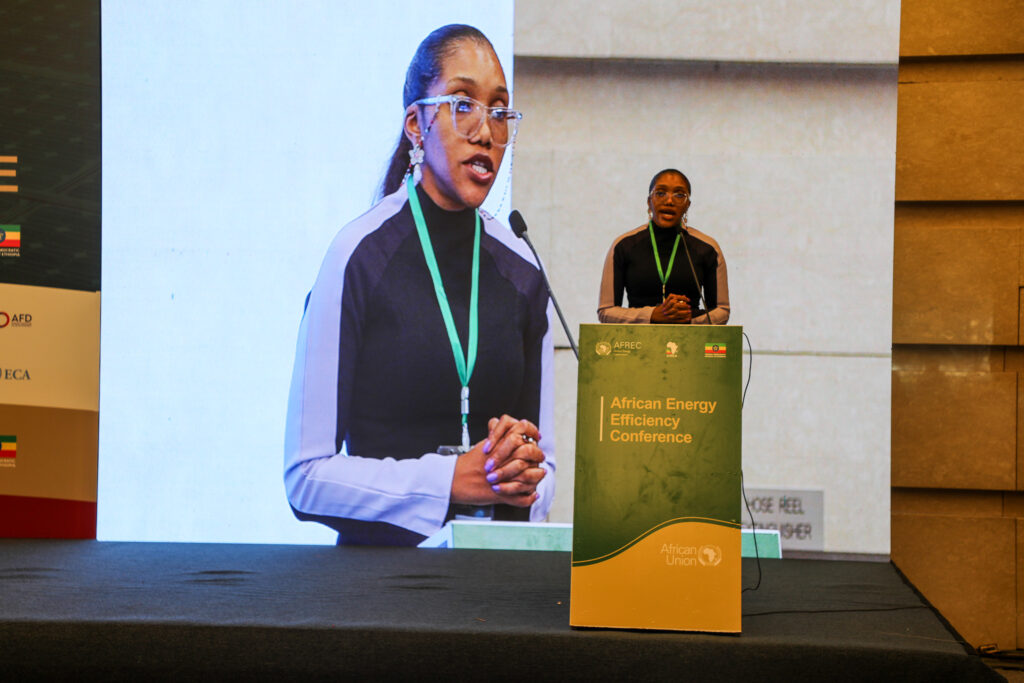
Welcome remarks by Elizabeth Wangeci Chege, Energy Efficiency & Cooling Specialist, at SEforALL, set the stage for the panel discussion. Chege’s intervention highlighted the decisive factors for turning energy efficiency into an engine for prosperity: attention to financing needs; tapping into the prosperity opportunities of energy efficiency in terms of potential savings, needed skillsets, and inclusion of women; and promoting transformative dynamics from the top-down as well as the bottom-up.
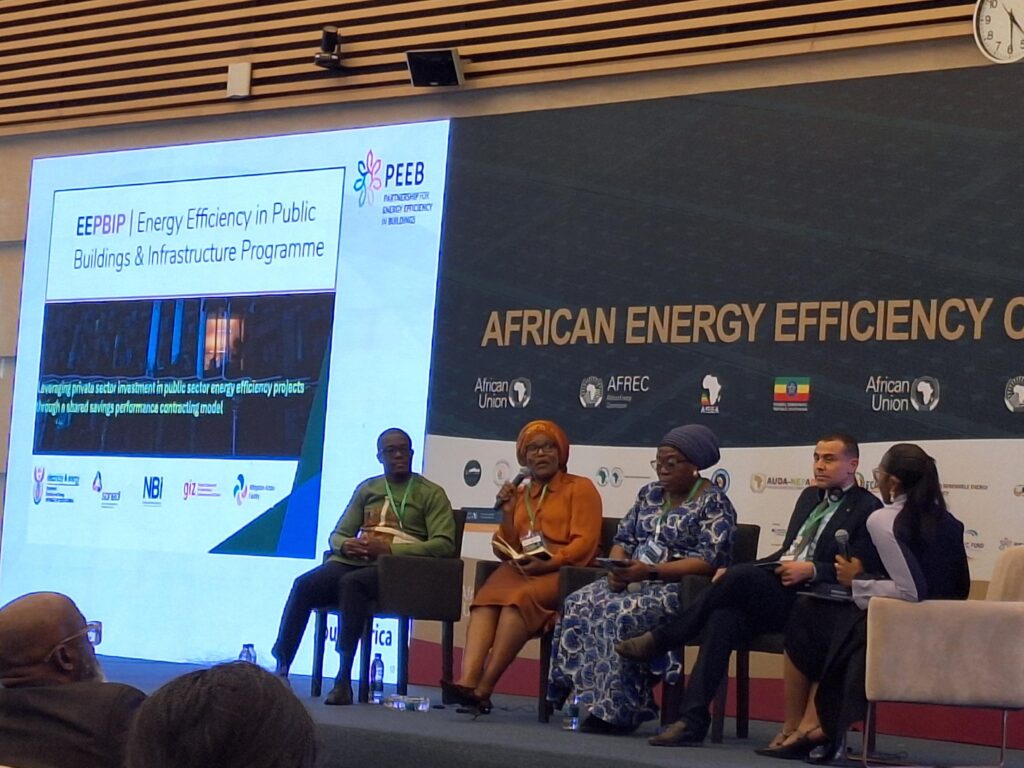
The panel discussion, moderated by Edima Okodi-Iyah (PEEB GIZ/Nigeria), focused on implementation experiences from countries across Africa.
- Hubert Nsoh Zanm, from the Ghana Energy Commission, brought the perspective of planning and enabling frameworks from Ghana’s Climate Action Roadmap for Buildings and Construction, developed with GlobalABC.
- Ngoanathari Maja, from the South African National Energy Development Institute (SANEDI), brought the perspective of deploying Energy Performance Contracts as innovative financing instruments in the public sector.
- Abderrahman Mahfoudhi, from the National Agency for Energy Conservation (ANME) of Tunisia, explained how collaboration with PEEB on building energy consumption data enabled the structuration of programmes and policies for the energy transition in public buildings, and facilitates the structuring of financial instruments such as funds.
- Hikmat Toyin Aderibigbe, from the Federal Ministry of Housing and Urban Development in Nigeria, explored the country’s vision for integrating energy efficiency into the national housing programme.