Participation is often the missing link between the energy-efficiency potential of healthcare buildings and the concrete adoption of realistic, cost-effective, and sustainable measures in real hospitals. When medial staff, operators and managers are involved from the start, measures are more likely to be implemented and maintained over the long term, improving services and resilience.
That’s why PEEB and its partners in Costa Rica—the Costa Rican Social Security Fund (Caja Costarricense de Seguro Social, CCSS) and the Ministry of Environment and Energy (MINAE)—are conducting participatory energy audits to strengthen healthcare through energy efficiency. The work began with an audit of Dr. Carlos Luis Valverde Vega Hospital (HCLVV) a medium-size hospital in San Ramón de Alajuela, about 60 km from San José, the capital.
Voices from Implementation with Federico Corrales Poveda
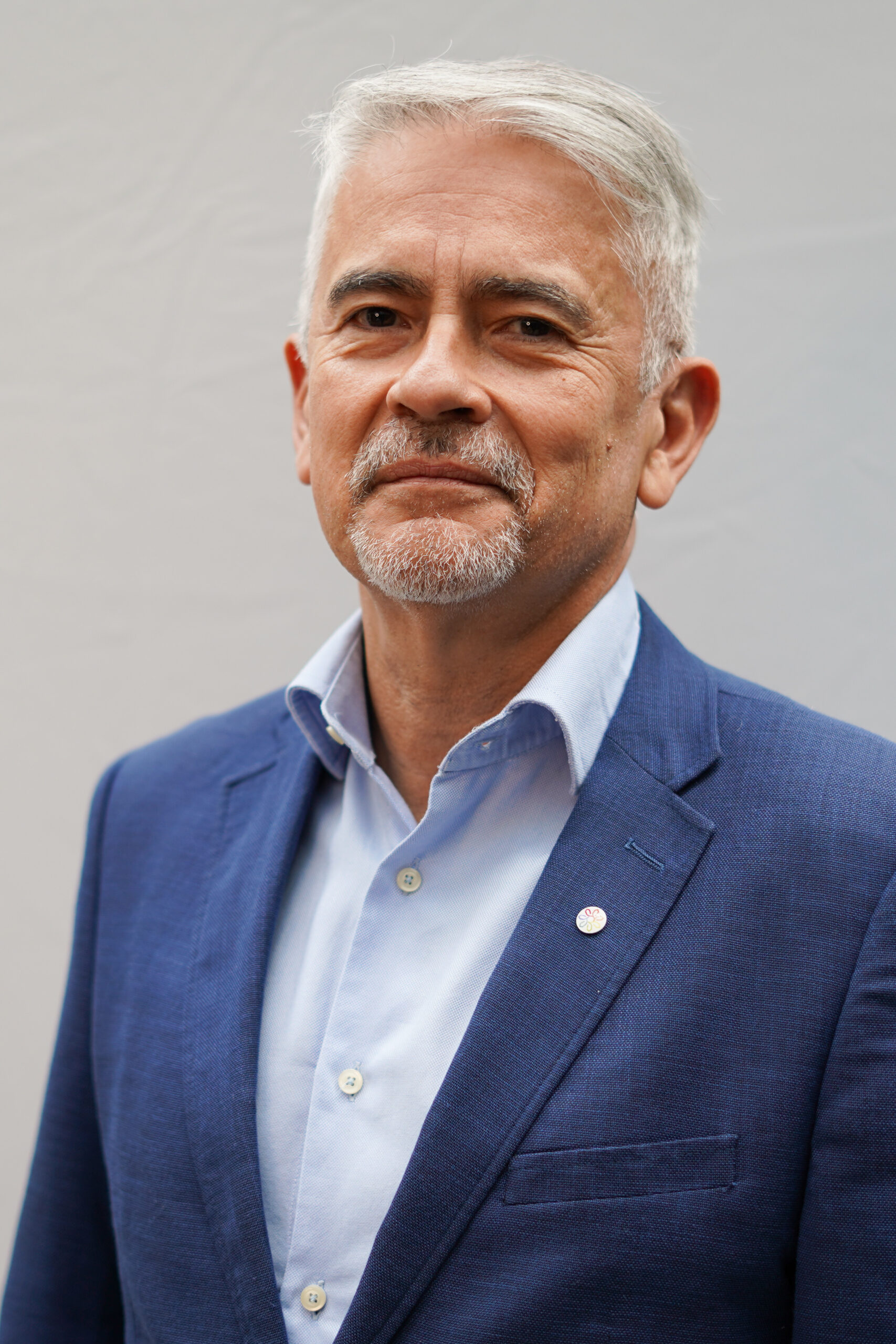
Federico Corrales Poveda is leading PEEB’s activities in Costa Rica and he recently facilitated two workshops (September and November 2025) with stakeholders as part of a participatory energy audit. He spoke about how participation helps deliver concrete energy efficiency and gave details on how they did it practically.
Why is PEEB Costa Rica focusing on energy efficiency in hospitals?
Hospitals consume a lot of energy. A typical hospital can consume more than 600,000 kWh of energy per year. This is the equivalent of the annual consumption of 200 Costa Rican households. This represents a burden on energy bills for public and private healthcare providers. Caja Costarricense de Seguro Social (CCSS) is the largest healthcare provider in Costa Rica and manages 35 hospitals and about 2000 community health centers. We estimated up to 208,000 kWh energy savings per year through efficiency measures in hospitals like the Dr. Carlos Luis Valverde Vega Hospital (HCLVV) in n Ramón de Alajuela. Now, imagine this impact multiplied let’s say by 35. We are talking about massive savings, which CCSS can re-direct to expanding or improving healthcare services.
And why did you choose a hospital in a smaller city rather than the capital?
Secondary cities are of first-order importance. Hospitals in such cities play a crucial role in healthcare access: they provide medium to high complexity care to the population living outside capitals and larger cities, saving lives of people from neighbouring municipalities or entire regions. This is why, together with CCSS, we are targeting these establishments.
And how does participation help to realise this massive potential?
Energy efficiency gains are achievable only by engaging all stakeholders involved as it requires learning by doing. In theory, we can achieve energy efficiency through a large menu of measures. In practice, however, these measures must be compatible with the capacities of stakeholders to implement them and with the concrete operational needs of the hospitals. Furthermore, participation enables learning and a scalable approach: after executing less complex, stakeholders gain an understanding of energy efficiency that allows them to work with more complex measures, which might require, for example, operational changes.
How are you achieving this participation in practice?
We are bringing technical experts together with hospital staff and staff from the healthcare provider (CCSS) to identify and prioritise realistic, cost-effective measures that are impactful and sustainable in the long-term. Hospital staff interacts constantly with the building features, appliances, and operational procedures that determine the hospital energy consumption which is notoriously high due to the need to maintain healthy temperatures, hygienic environments, adequate lighting, and functioning healthcare machinery. Their first-hand knowledge and information are essential for the success of this initiative.
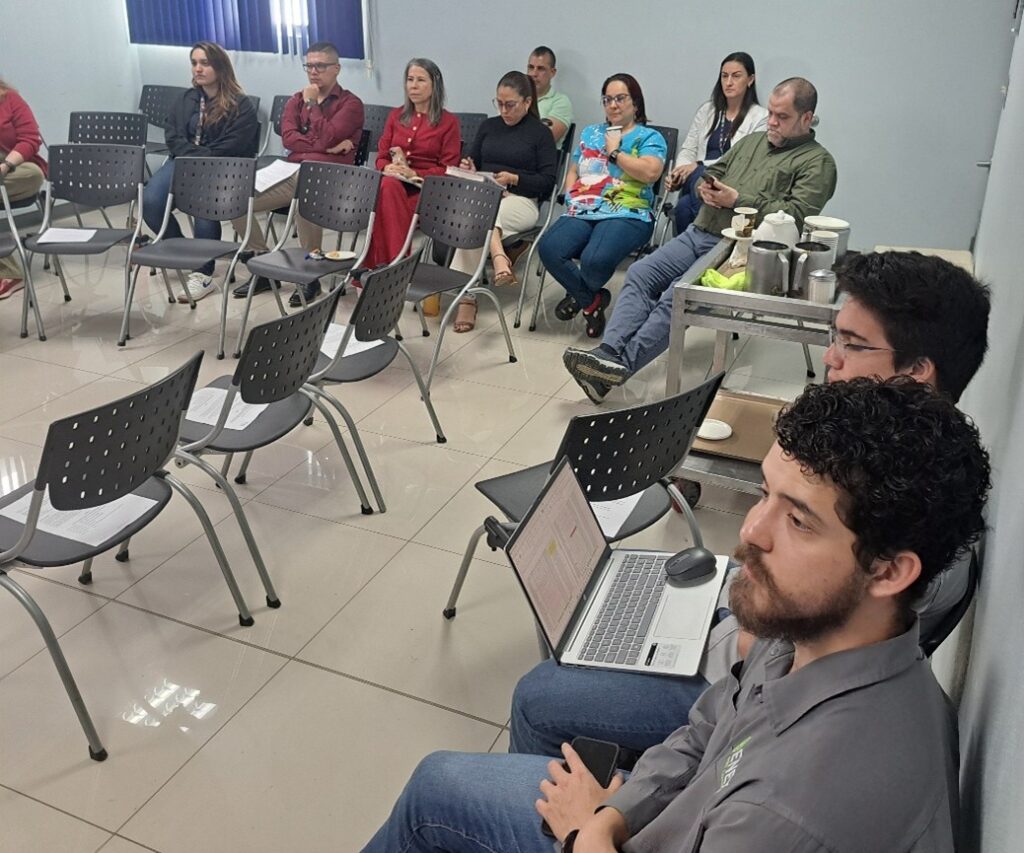
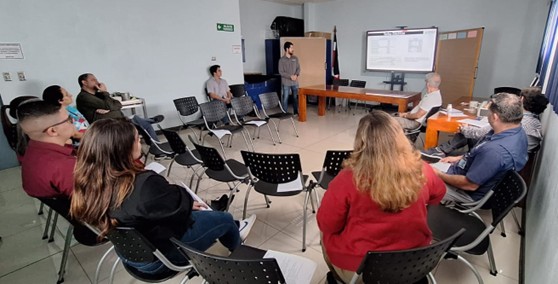
How do participatory audits harness this essential first-hand knowledge?
Participatory audits combine the knowledge about the building and its energy features with the knowledge from people who shape and use them.
In Costa Rica, we mobilized experts in energy efficiency and bioclimatic architecture to analyse building design and energy equipment. The experts estimated the savings potential of different energy efficiency and bioclimatic design architecture measures.
During the workshop, we presented these options to the different stakeholders and they assessed their feasibility. I proposed a methodology for analysing the different options across three axes: the degree of innovation, the level of complexity, and the operational difficulty. Those criteria concerned, respectively, whether a measure was new to the staff, how hard it would be to implement, including the potential impacts on regular operations during adoption, and, finally, how it could impact hospital operations after its adoption.
What were the results of this analysis?
The overall result was the identification of high priority measures, which will be the focus of the experts’ deeper technical analyses from now on. Many technical measures related to the use of natural light and adoption of better appliances for lighting, air quality, and on-site renewable energy generation were given high priority. We also learned that while bioclimatic measures involve a low level of complexity, they present challenges related to the specificity of different designs and aspects such as security or comfortable levels of noise. The workshop also emphasized the importance of designing and implementing campaigns to raise awareness among staff.
And what are the next steps towards implementation?
For now, the experts will analyse more deeply the priority measures identified. Later this year, we will get together in follow-up workshops to design concrete strategies to further implement those measures and to identify potential sources of funding, integrating them to upcoming studies.
LEARN MORE If you want to learn more about PEEB Cool, click here or contact us.